Gold Hits Three-Month High as Market Awaits Fed Policy Direction
2026-08-26
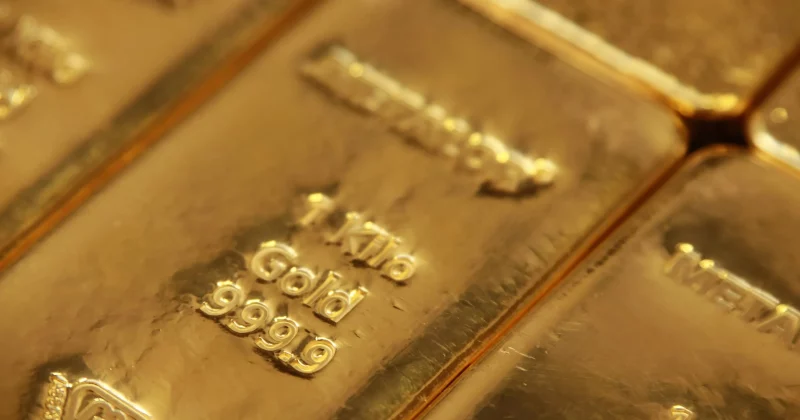
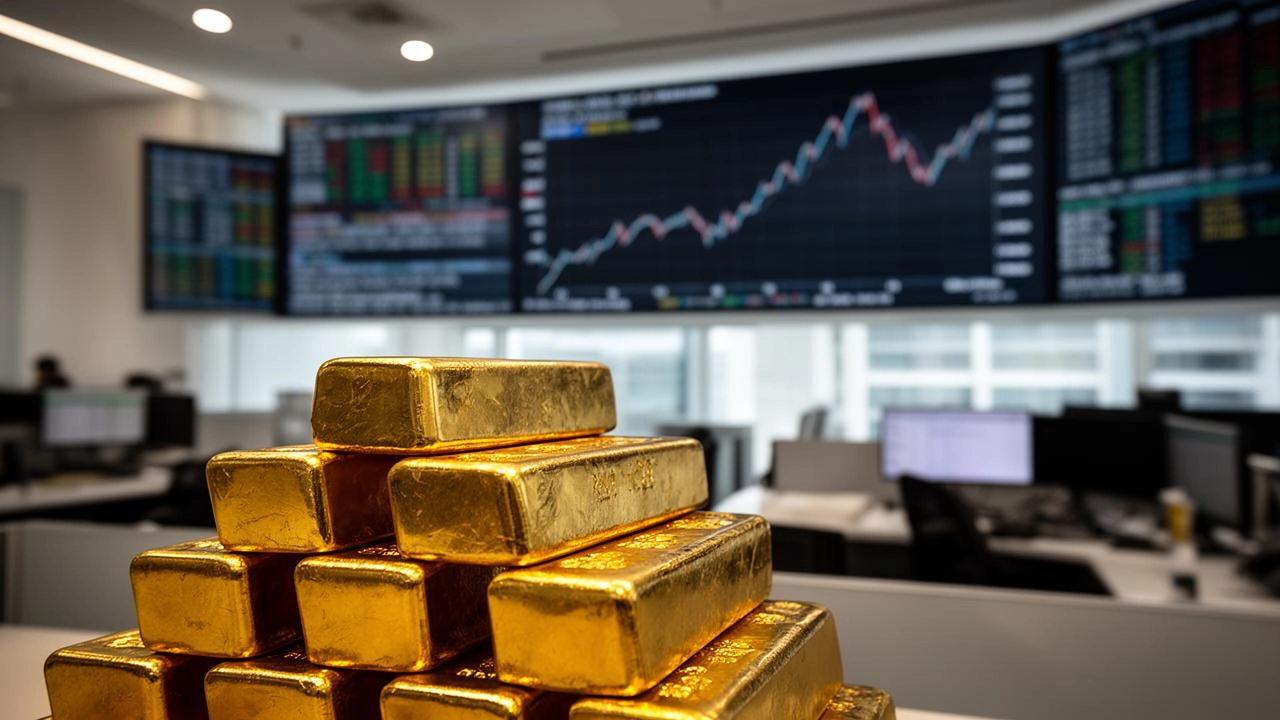
Gold prices surged to their highest level in more than three months on Tuesday (8/25), extending a rally driven by the U.S. Treasury Department’s long-term bond buyback policy and a weakening dollar. Spot gold rose 0.6% to $4,676.75 per troy ounce after touching its highest level since May 14, 2026. Market attention now turns to Wednesday’s release of U.S. PCE inflation data and Federal Reserve Chair Kevin Warsh’s inaugural speech at the Jackson Hole symposium. Citi raised its three-month gold price target to $4,800 per troy ounce and maintained its $5,000 target for the six-to-12-month horizon. Gold ETF inflows reached 46.7 metric tons last week, the largest in 10 months. Geopolitical tensions in the Middle East and U.S. sanctions against Iran continue to support gold’s appeal as a safe-haven asset. The rally puts gold on track for its best monthly performance since September 1999.
Gold prices once again broke through their highest level in more than three months on Tuesday (8/25), extending a rally driven by U.S. Treasury Department policy and growing market focus on the Federal Reserve’s interest rate direction. Spot gold rose 0.6% to $4,676.75 per troy ounce at 00:26 GMT, after briefly touching its highest level since May 14, 2026. U.S. gold futures also strengthened 0.8% to $4,734.50 per troy ounce.
The sharp rise in the precious metal began with the U.S. Treasury Department’s announcement last week that it would double the scale of its long-term government bond buyback operations to support liquidity. The move triggered market concerns about a weakening U.S. dollar, which in turn drove investors toward gold as a hedging asset. TD Securities analysts noted that dollar depreciation concerns are expected to continue supporting gold prices in the coming weeks, especially as the Fed has yet to provide clear signals regarding its readiness to combat rising inflation.
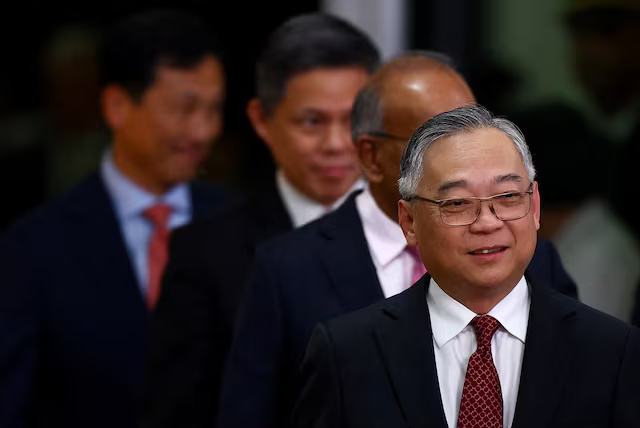
Market participants’ attention now turns to two key events this week. First, the release of Personal Consumption Expenditures (PCE) data scheduled for Wednesday (8/26). The Fed’s preferred inflation indicator will serve as a primary benchmark for assessing price pressures in the U.S. economy. Second, Federal Reserve Chair Kevin Warsh’s inaugural speech at the annual Jackson Hole symposium. The speech is considered crucial as traders and analysts seek clues about the recent surge in U.S. bond yields, while also confirming the central bank’s independence from President Donald Trump’s administration.
Warsh faces high market expectations. U.S. government bond yields have surged sharply in recent weeks, reflecting investor anxiety over the Trump administration’s spending plans and tax policies. Political uncertainty in Washington has further strengthened gold’s appeal as a safe-haven asset. “The gold rally still has room to continue,” Citi wrote in its note. The financial institution on Monday (8/24) raised its three-month gold price target to $4,800 per troy ounce, up from its previous projection. For the six-to-12-month horizon, Citi maintained its $5,000 per troy ounce target, citing reduced tensions in the Strait of Hormuz, falling real interest rates, and a more dovish Fed stance.
From a geopolitical perspective, tensions in the Middle East remain a supporting factor. Iran has vowed to respond to expanded economic sanctions imposed by Washington, which are said to cut off funding sources for the Islamic Republic’s economy. Tehran expressed confidence that its major trading partners will reject the pressure campaign. However, the sanctions imposed by the U.S. so far have not reached the most severe level and largely serve as a warning to the world to halt business activities with Iran.
In the physical gold market, Ghana faces funding constraints. GoldBod, the country’s artisanal gold marketing agency, has reportedly not disbursed funds to suppliers for up to three weeks. The situation has forced some operators to halt gold purchases or seek loans to remain operational.
Fund flows into gold-backed exchange-traded funds (ETFs) have also reinforced the upward momentum. According to World Gold Council data, gold ETFs recorded inflows of 46.7 metric tons, or approximately $6.4 billion, last week. That figure represents the largest weekly demand flow in 10 months, primarily from ETFs listed in North America and Europe. From a technical standpoint, gold prices have also broken above the 200-day moving average, further confirming the upward trend.
IG analyst Tony Sycamore expects any gold price correction to find strong support from buyers targeting the next resistance level in the range of $4,900 to $5,000 per troy ounce. He assesses that the factors driving gold’s rise remain solid and show no signs of reversing.
Gold’s rise also coincided with a surge in bitcoin prices that broke through $80,000, the highest level in three months since mid-May. Analysts attribute the cryptocurrency’s rise to the weakening U.S. dollar and similar factors driving gold prices.
In other precious metals markets, spot silver strengthened 0.5% to $69.29 per troy ounce. Platinum rose 0.3% to $1,880.78 per troy ounce, while palladium added 0.2% to $1,359.14 per troy ounce.
Precious Metals Performance on Tuesday (8/25)
| Metal | Price (US$/troy ounce) | Change |
|---|---|---|
| Spot gold | 4,676.75 | +0.6% |
| U.S. gold futures | 4,734.50 | +0.8% |
| Spot silver | 69.29 | +0.5% |
| Platinum | 1,880.78 | +0.3% |
| Palladium | 1,359.14 | +0.2% |
Note: Data based on Tuesday (8/25) trading at 00:26 GMT.
Gold’s rally in August 2026 ranks as one of the strongest in nearly three decades. The precious metal has risen approximately 15% this month, putting it on track for its best monthly performance since September 1999. The major surge began in early August amid optimism that the U.S. and Iran were moving closer to restoring a ceasefire in the Middle East and reopening the Strait of Hormuz. Although the deal has yet to materialize, gold prices have continued to climb.
Gold’s upward trend since 2025 has actually recorded the largest rally since the 1970s, triggered by Trump’s import tariff announcements that sparked concerns about global trade disruptions. Gold prices first broke through $4,000 per troy ounce in October last year, then surpassed $5,000 in January and reached a record high at the end of that month. However, many investors were surprised when gold prices fell back to $3,942 at the end of June, even as the Middle East conflict continued.
With the combination of upcoming inflation data, Warsh’s Jackson Hole speech, and still-heated geopolitical dynamics, the gold market is expected to remain volatile in the coming days. The Fed’s policy direction will be the primary determinant of whether the gold rally can break through the psychological $5,000 level or experience a correction.
Sources: BigGo
Latest News

2026-07-15