
Hong Kong to launch gold-clearing system, aiming for bullion hub status
2026-05-28
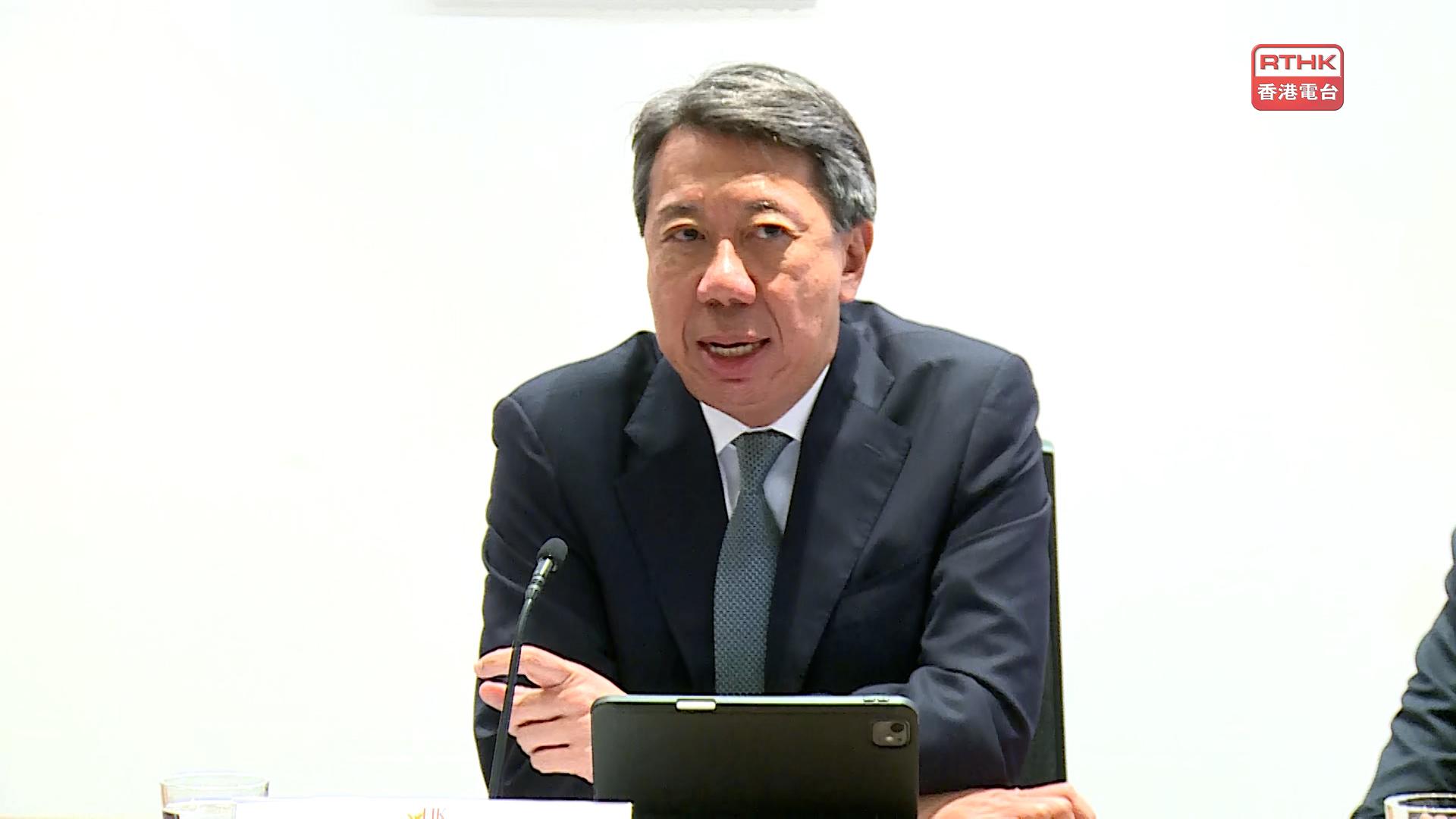
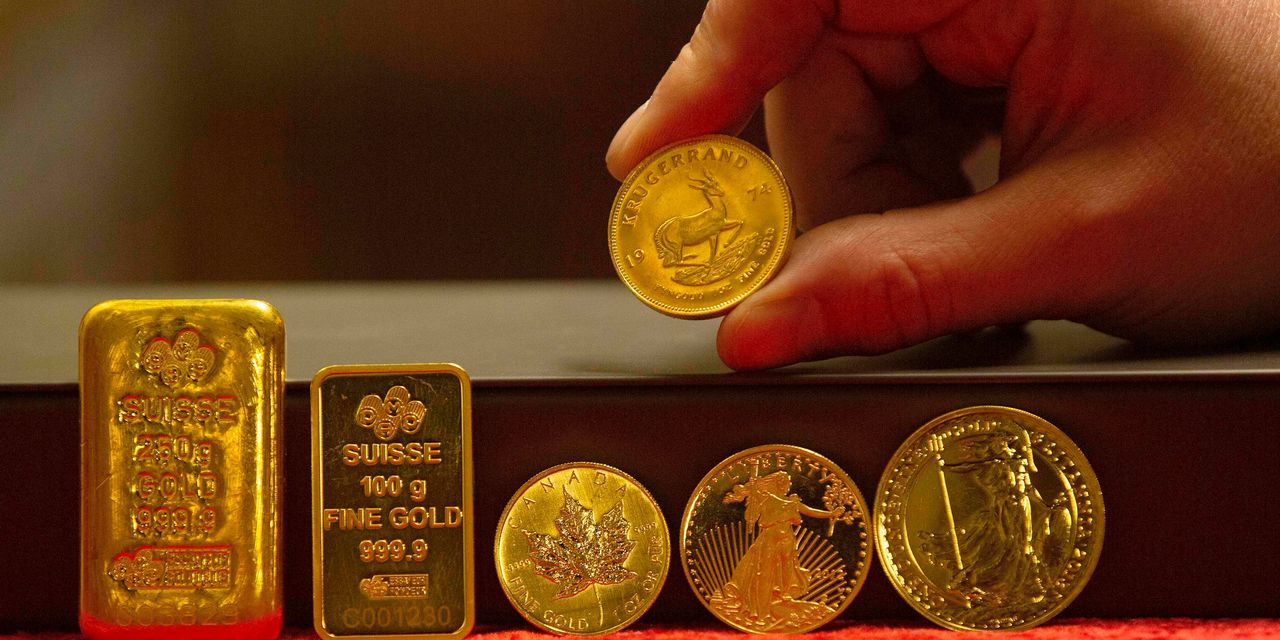
Hong Kong is building its own gold-clearing infrastructure, and it wants to go head-to-head with London. The city plans to launch a government-backed clearing system in July 2026, designed to make it Asia’s primary bullion trading hub.
The system will be operated by the Hong Kong Precious Metals Central Clearing Company, a government-owned entity backed by the Financial Services and the Treasury Bureau. Think of it as Hong Kong’s attempt to do for gold in Asia what the London Bullion Market Association has done for decades in Europe: provide the plumbing that makes large-scale institutional gold trading actually work.
How the system works
The clearing system will use unallocated accounts for settlement, which is the same model London employs. In English: instead of physically moving gold bars every time a trade settles, participants hold claims on a pool of gold, making transactions faster and cheaper.
A memorandum of understanding was signed in January 2026 between Hong Kong and the Shanghai Gold Exchange, establishing a formal cooperation framework. That agreement ties the new system into mainland China’s precious metals market, which has been seeing rising demand amid record-high gold prices — recently surpassing $5,100 per ounce.
Trial operations are expected to commence within 2026, with the full launch targeted for July. The infrastructure buildout includes expanding warehousing capacity for physical gold.
Hong Kong is specifically inviting central banks from countries aligned with China’s Belt and Road Initiative, alongside major international banks, to act as clearing members.
Why Hong Kong, why now
Asia is the largest consumer of physical bullion, yet the infrastructure for trading and clearing bullion at scale has historically been concentrated in London and, to a lesser extent, New York and Zurich. Without a formal clearing system, Hong Kong has lacked the institutional scaffolding to compete with London’s LBMA for large-volume business.
One thing worth noting: Hong Kong has also seen the introduction of tokenized gold products, including offerings from HSBC. But those digital products are not connected to the new clearing system. The traditional clearing infrastructure and the tokenized products are operating on separate tracks entirely.
What this means for investors
If the system works as intended, the most immediate effect should be improved liquidity in Asian gold markets. More clearing infrastructure means lower friction costs for large trades. For institutional investors and fund managers with gold allocations, a functioning Asian clearing hub could reduce the cost of trading during Asian hours rather than waiting for London to open.
Central banks that currently clear through London or other Western centers might find it politically and logistically advantageous to use a Hong Kong-based system with Chinese government backing.
For crypto-native investors watching from the sidelines, the deliberate separation between tokenized gold products and the traditional clearing system is telling. It suggests that for all the enthusiasm around blockchain-based commodities, the people building serious market infrastructure still see physical settlement as the foundation.
Sources: Crypto Briefing